Socializing a Cocker Spaniel With Kids, Dogs and Strangers
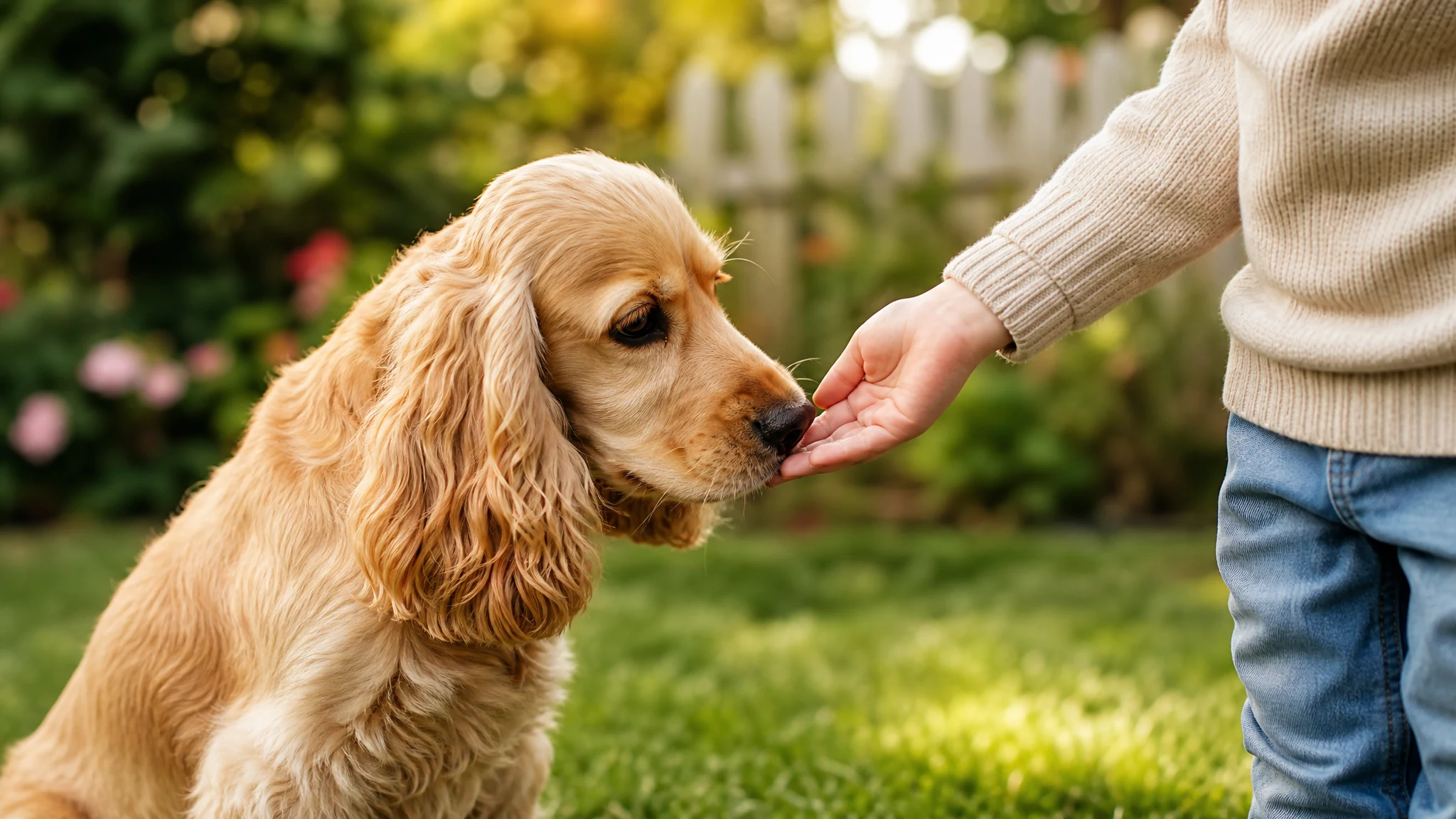
General training information. Every dog is an individual; for health or behavior concerns, see your veterinarian.
Cocker Spaniel socialization is about teaching your dog that the everyday world is safe and predictable. That means children, other dogs, visitors and busy places. Done well, it builds a calm, confident adult dog.
The breed starts with a good foundation. The American Spaniel Club breed standard describes the Cocker as equable in temperament, with no suggestion of timidity. The Royal Kennel Club describes the breed as typically gentle, eager to please and well suited to family life. Still, every dog is an individual, and good manners come from practice, not from the breed label.
This guide walks you through a plan you can follow at home. If you are still building basic skills, start with our complete guide to training a Cocker Spaniel and come back here.
Are Cocker Spaniels Good With Kids and Other Dogs?
Many owners ask whether cocker spaniels are good with kids. Hill's Pet Nutrition says the breed is generally considered good with children. On other animals, PetMD describes Cocker Spaniels as friendly with people and other animals.
Both of those are general descriptions from pet care references, not promises about your dog. A shy puppy, a rescue with an unknown past or a dog who had a scary moment can all react differently. Treat the breed reputation as a good starting point and let your own dog's behavior guide the pace.
One more breed note matters for method. The Royal Kennel Club says the breed responds to reward-based training started early and is sensitive to harsh handling. That fits this whole plan: keep sessions kind, short and rewarding.
What You Need Before You Start
- A flat buckle collar or a well-fitted harness, and a standard 4 to 6 foot leash
- Small, soft treats your dog loves, cut into pea-sized pieces
- A longer line for open spaces, once your dog has a reliable recall
- A baby gate or exercise pen to create a calm retreat space
- A mat or bed that can become your dog's "settle" spot
- A few calm, friendly adults and a vaccinated, dog-friendly adult dog for practice
- A notebook to track what went well and what worried your dog
Ask your veterinarian when your puppy is protected enough for dog parks, group classes and busy public places. Vaccination timing is a medical question, so get that answer from your vet before you plan outings.
Step-by-Step Socialization Plan
Step 1: Build a Calm Home Base
Before you introduce anyone, teach your dog that the world pays off for calm behavior. Hand over a treat whenever your dog looks at something new and stays relaxed. Do this with ordinary things first: a vacuum, a doorbell, a umbrella opening, a bicycle going past.
Teach a simple settle on a mat. A dog who can lie down and wait is much easier to introduce to guests and children.
Step 2: Teach Your Dog to Meet Strangers Politely
Start with one calm adult at a time. Ask the person to stand still, avoid staring and let your dog choose to approach. Cockers are often eager to greet, and that enthusiasm can turn into jumping.
- Ask your dog to sit before the person comes closer.
- Reward the sit with a treat as the person arrives.
- If your dog jumps, the person turns away calmly. Greet again when all four paws are on the floor.
- Keep the first meetings under a minute, then end on a good note.
If your dog hangs back, never push them forward. Let the stranger toss a treat nearby and wait. The standard describes the ideal Cocker as showing no timidity, but a young dog can still be unsure. Patience works better than pressure.
Step 3: Introduce Children Safely
Supervision is the heart of this step. A friendly breed does not make every moment safe. Young children can be loud, grabby and unpredictable, and even a gentle dog can be overwhelmed.
- Stay within arm's reach at all times during early meetings.
- Have the child sit down and offer a treat on a flat palm.
- Teach children to pet the shoulder or chest, not to hug, grab ears or lean over the dog's face.
- Keep sessions to a few minutes and stop while everyone is still happy.
- Give your dog a gated retreat where children are not allowed to follow.
Watch your dog's body language. Lip licking, turning the head away, a tucked tail, yawning or moving away can all mean your dog wants a break. Respect those signals and end the session.
Never leave a young child alone with any dog, including a calm Cocker. If you ever see growling, stiffening or guarding of food, toys or space around children, stop the exercise and talk to your veterinarian or a qualified reward-based trainer. Do not punish growling, since it is a warning you want your dog to keep giving.
Step 4: Introduce Other Dogs
Cocker spaniel with other dogs is usually a happy story, since PetMD describes the breed as friendly with other animals. Still, plan the first meetings so they go well.
- Start apart. Walk two dogs on the same path at a distance where both stay relaxed. Reward calm looks.
- Move closer slowly. Parallel walking helps dogs get used to each other without a face-to-face greeting.
- Allow a short, loose greeting. Keep leashes slack. Count to three, then call your dog away with a happy voice and a treat.
- Move to a safe enclosed space. Once both dogs seem comfortable, let them sniff and play briefly with leashes dragging or off in a fenced area.
- Pick partners carefully. A calm, vaccinated adult dog who is good with puppies teaches better manners than a rowdy crowd.
Interrupt play if one dog is being pinned, chased nonstop or trying to escape. Call a break, let both settle, then resume if both want to.
Step 5: Add New Places and Gradual Distractions
Once your dog is comfortable with a few people and one or two dogs, widen the circle. Visit a quiet sidewalk, a pet-friendly store entrance or a friend's yard. Sit at a distance from activity, feed treats and let your dog watch.
Many owners later look at group classes or dog sports. The American Spaniel Club lists field work, agility, rally, obedience, trick dogs and tracking among its programs, and says Cockers are well suited to rally. These activities offer structured, rewarding ways to be around other dogs and people.
Step 6: Keep It Going
Socialization does not end after puppyhood. Keep up short, pleasant outings and regular, calm meetings. A dog who has no new experiences for months can become wary again.
Tips for Better Results
- Quality beats quantity. Three calm, positive meetings are better than one overwhelming day.
- Pay for good behavior often. Reward the moments you want to see more of.
- Keep your voice and hands gentle. This breed is sensitive to harsh handling, per the Royal Kennel Club.
- Manage energy before meetings. A walk or sniff session first can help your dog focus. Sources differ on how much exercise Cockers need, from a moderate amount (PetMD) to 20 to 40 minutes a day (Hill's Pet Nutrition) to more than two hours (Royal Kennel Club), so ask your vet what suits your dog.
- Protect the ears and coat. PetMD notes ears and coat need regular care, so keep grooming calm and gentle so it becomes another positive experience with people.
- Use a retreat. A quiet crate or gated area lets your dog opt out when things get busy.
Common Mistakes to Avoid
- Flooding. Dragging a nervous dog into a crowd or dog park can create fear instead of confidence.
- Letting greetings be a free-for-all. Allowing every meeting to include jumping and frantic energy teaches the wrong lesson.
- Trusting breed reputation over body language. A "good with kids" label does not replace watching your own dog.
- Using punishment or corrections. The American Veterinary Society of Animal Behavior supports humane, reward-based training. Harsh methods can damage trust and increase fear. Avoid shock, prong or choke collars, and never use physical intimidation.
- Skipping supervision with children. Most problems happen when no adult is watching closely.
- Ending on a bad note. If a session goes wrong, go back to an easier step and finish with something your dog enjoys.
What to Expect
With patient, consistent practice, many Cocker Spaniels become more relaxed around visitors, children and other dogs. Progress often comes in small steps, and some dogs may need more time, especially shy or rescued dogs. Results vary from dog to dog, and no plan can promise a particular outcome.
Signs you are on the right track include a loose, wiggly body, a quick recovery after surprises and a dog who looks to you for guidance instead of freezing or lunging. If your dog shows persistent fear, growling or other worrying behavior, ask your veterinarian to rule out health causes and ask about a qualified reward-based trainer or behavior professional.
For house manners, recall and leash skills that support all of the above, return to our Cocker Spaniel training guide.